Posts by Monique Hammond
Hearing Challenges for the Holidays: Tips to Stay Connected!

A Season to be Jolly? Although communication problems are a reality throughout the year, those with hearing loss especially dread the Merry Holiday Season, the marathon socializing time of the year. Having to talk to people at back-to-back loud events and family parties becomes a frustrating and tiring communication challenge. Why? Because noise drowns out…
Read MoreHearing Loss and Aural Rehabilitation
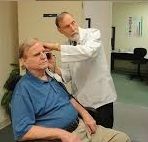
Yes, those with hearing loss also need rehabilitation – Aural Rehabilitation that is. It begins with people understanding their hearing loss and what it means for their lives. It is about learning how to prevent further loss and how hearing technology and assistive listening devices (ALDs) can help make the most of the hearing that is…
Read MoreCan Noise-induced Hearing Loss Make Tough Men Cry?
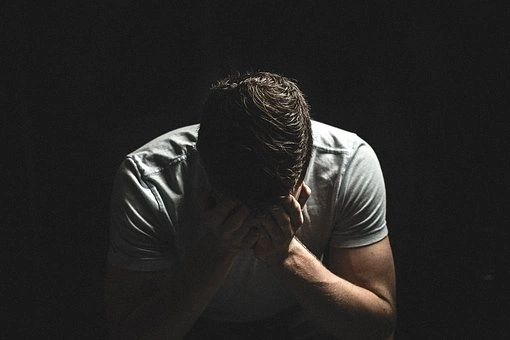
Yes, it can. Worn down by the challenges of noise-induced hearing loss and tortured by tinnitus, tough men do cry. In support meetings and presentations, I have seen the eyes of strong, determined guys well up with tears. They suddenly felt vulnerable. They worried about their jobs and families, their social lives and their future. …
Read MoreNoise-induced Hearing Loss (NIHL): A Worldwide Concern

In February 2015, the World Health Organization (WHO) warned that over 1 billion teens and young adults are at serious risk for noise-induced hearing loss. What has been written and talked about for some time, is fast becoming a sad reality. Every insult counts! No matter how or where it is generated, excessively loud sound ages human…
Read MoreHearing Loss: An Underrated Cause of Loneliness
Loneliness is often cited as a serious health risk, especially for older adults. In the U.S., an AARP survey reports that over 35% of those 45 years of age and older are lonely. Maybe friends or family members have moved away or even died. Maybe jobs have been lost and relationships have fallen apart. Maybe health…
Read MoreHearing Loss: An Often Neglected Consequence of Diabetes.
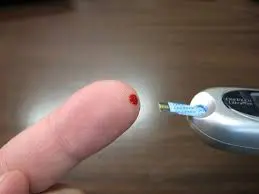
Incidence A 2008 study by the National Institutes of Health (NIH) showed that “Hearing loss is about twice as common in adults with diabetes compared to those who do not have the disease.” Even those with pre-diabetes had a 30% higher rate of hearing loss when compared to those with normal blood glucose/sugar levels. Why hearing damage?…
Read MoreHearing Loss & Hearing Loops
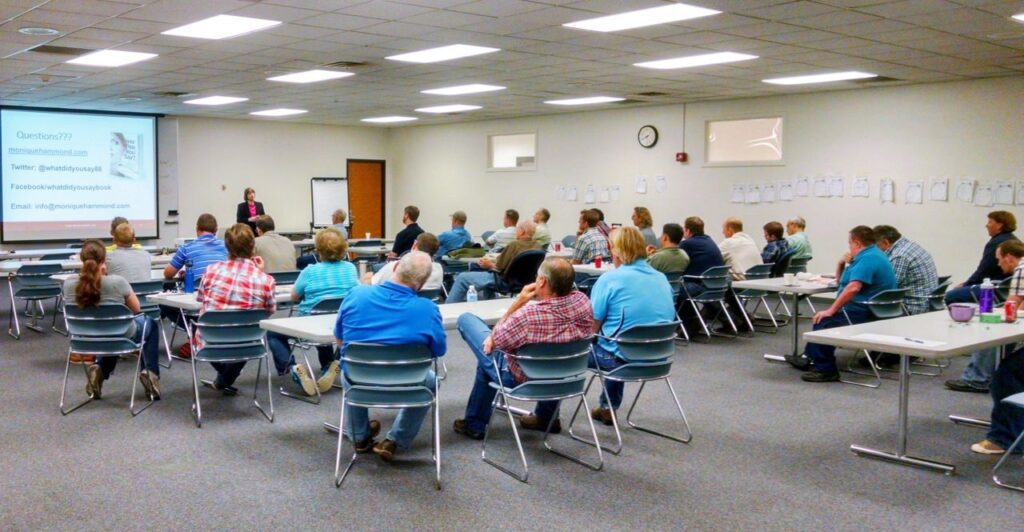
What is a Hearing Loop? Extremely, briefly… A Hearing Loop—also called Induction Loop—is an Assistive Listening System. It helps those who are hard-of-hearing understand speech more clearly, especially in large venues and in background noise. The “System” consists of the Hearing Loop Set-up which is paired with Telecoils or T-coils. Loop and T-coils work together. One without…
Read MoreLess Noise is Good for Hearing and Health
Hearing and wellness at risk Besides causing permanent hearing loss, loud sound has harmful effects on the body as a whole. Unrelenting noise that we may accept as the “sounds of life around us” can impact health and wellness in most negative ways. So, what are some of the problems that sound can cause? · Especially at…
Read MoreHearing Loss Linked to Depression by Monique Hammond
Why wait for help? Does research show that hearing loss and depression are linked? Indeed, it does. As hearing loss becomes worse and affects every aspect of life, the emotional fall-out becomes more complicated and overwhelming. So, why do people wait for up to ten years before they get tested and get help? Three out of five…
Read MoreHearing Loss Is Also a Lot About Others

Strained relationships “I wish that mom had some mercy on us. She is so hard to live with.” These words were spoken by a lady during a support meeting. They illustrate the helplessness that friends and relatives often feel as they try to relate to a loved one with hearing challenges. Hearing loss becomes fast…
Read More